What the kit is buying you
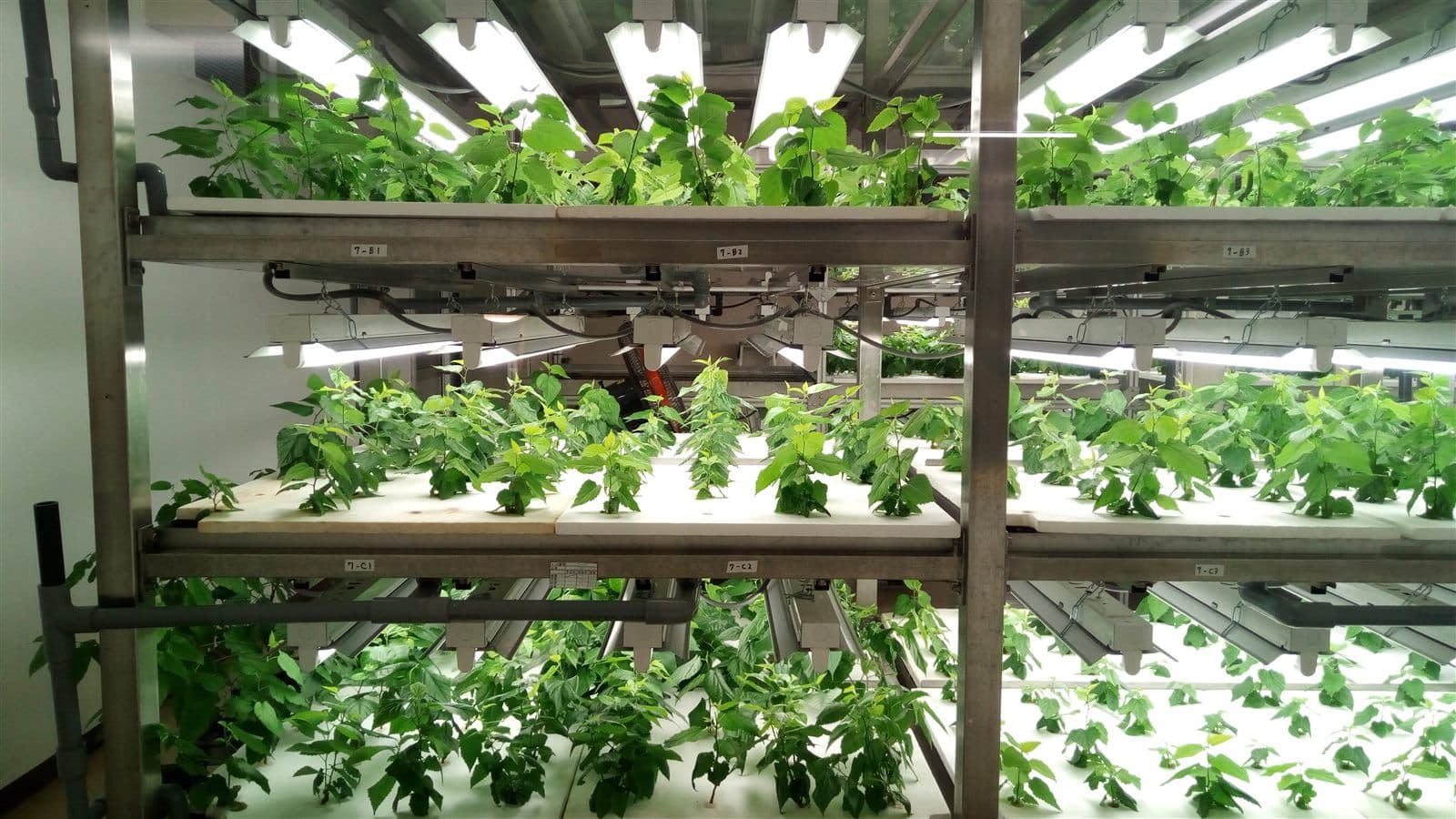
A countertop garden buys speed and low mess. Lights and timers are built in. You can harvest basil without owning a drill or an air pump. That is real value if the alternative is not growing at all.
It also trains you on someone else’s pods and liquid schedule. Fine for herbs. Frustrating if you want cheap bulk lettuce or peppers.
Apartment constraints matter: no balcony, minimal tools, and a spouse who does not want a tote on the floor. Kits win that negotiation.
Treat the kit as a learning appliance. If you never open the hood to think about roots and strength, six months later you still cannot diagnose yellow leaves.
Where the money goes by month three
Proprietary pods and branded nutrients add up faster than people expect — especially if you run the unit continuously. Electricity for the built-in light is modest compared with pod refills for heavy users.
A DIY DWC tote costs more on weekend one (bucket, air pump, meter, LED, nutrients) and less per harvest afterward if you buy bulk fertilizer and reuse clay pebbles.
Ballpark: continuous herb pods can rival the original device price within a few months of daily cooking use. A bag of rockwool and a bottle of complete nutrients for DIY often covers many cycles.
Electricity rarely decides the kit vs DIY debate at kitchen scale. Refills and meters do. Buy meters for either path so you are not flying blind.
Skills transfer — or they don’t
If you never measure pH/EC on the kit, the upgrade to buckets feels like starting over. If you treat the kit as training wheels and still learn meters, DIY is a short step.
Our honest take: kit first is fine for apartments and confidence. Buy meters early either way. The meter habit is the asset; the plastic shell is not.
Practice remakes on the small reservoir. Scrubbing a 1-gallon tank teaches the same hygiene you will need on a 5-gallon tote.
Seed starting in reusable media (instead of only branded pods, where the kit allows) is the usual bridge toward lower cost per plant.
A simple decision rule
Choose the kit if you want kitchen herbs with minimal tools and will accept pod pricing. Choose DIY DWC if you want leafy volume, lower ongoing cost, and you are willing to clean a bucket.
Hybrid setups are normal: keep the countertop unit for basil, run lettuce in a tote. You do not owe loyalty to one system.
Choose DIY sooner if you already own a decent LED and meters from another project. Choose kit sooner if your failure mode is “I never started.”
Use a system selector mindset: match crop and space first, optimize dollars second. A cheap tote that never gets cleaned is more expensive than a kit you actually maintain.
Six-month cost sketch
Kit path: device + several pod/refill cycles + optional bottled nutrients + a few dollars of power. Heavy daily harvests push refill cost to the front.
DIY path: tote, air pump, LED, meters, media, nutrients upfront; then mostly fertilizer, electricity, and occasional replacements. Cost per head of lettuce usually falls after cycle two.
Break-even depends on how hard you run the kit. Casual herb pinching may never justify a tote. Salad-for-two every week usually does.
Upgrade triggers (when the kit is done)
You want more than a handful of lettuce sites. Pod prices annoy you more than scrubbing a bucket. You already bought meters and understand pH 5.5–6.5 and leafy EC bands.
Plants outgrow the canopy height or root space every cycle. You want peppers or tomatoes that a mini reservoir cannot feed stably.
When those show up, move leafy volume to DIY and keep the kit for the herbs you touch while cooking — best of both without forcing one system to do every job.