
Green water means light + nutrients + time
Algae is not a mysterious disease. It is photosynthesis in your tank: light reaches the solution, dissolved nutrients feed growth, and warm rooms speed it up. Opaque lids, solid channels, and covered tubing are the real fix — not another bottle of “algae killer” as the first move.
If the water looks like pea soup or the walls are slimy green, treat it as a sanitation and light-leak problem the same day you notice it.
Algae competes for nutrients and oxygen and clogs filters. It also signals that your roots may be living in a brighter, warmer soup than you intended.
Clear decorative reservoirs look nice on Instagram and grow algae on purpose. Opaque wins.
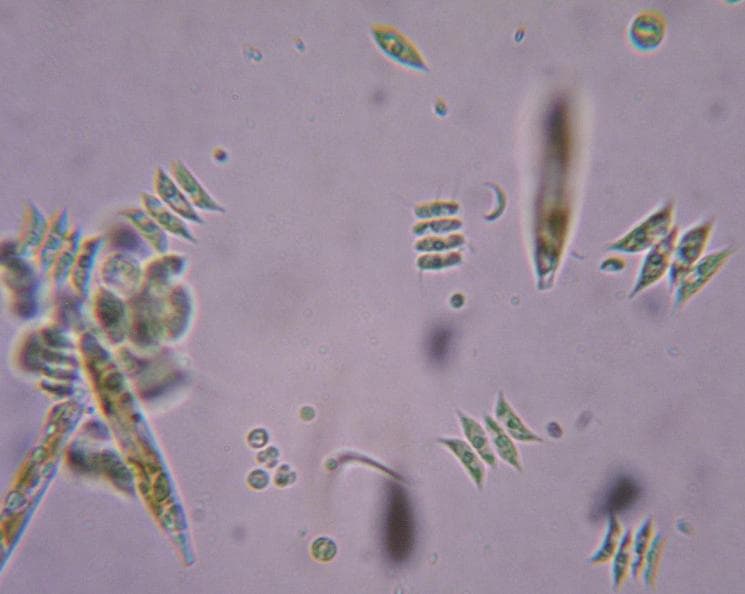
Where light usually sneaks in
Clear reservoirs and tubing. Translucent totes. Gaps around net pots. White lids that glow under LEDs. NFT end-caps left open. Windowsills where sun hits the bucket side all afternoon.
Tape, paint (exterior only), foil, black garbage bags, or swapping to opaque parts beats scrubbing forever. If you can see solution shimmer under the light, algae can too.
Net pot holes are classic leaks — foam collars or snug fits block the glow without strangling stems.
Return lines that spray and splash in an open-top sump create mist and wet walls that algae colonize. Cover the sump.
Clean and remake — don’t just top off
Topping off green water feeds the bloom. Lift plants onto a tray, dump the reservoir, scrub biofilm from walls and air stones, rinse, then refill with fresh solution at a sensible EC.
Hydrogen peroxide or bleach rinses appear in grower folklore — if you use a strong oxidizer or sanitizer, rinse thoroughly and never leave residual chemistry on roots. Many home grows succeed with mechanical scrub + opaque hardware alone.
Clean the lid underside and any float valves. Leaving a green film there reinoculates the fresh mix.
After refill, verify pH and EC. Scrubbing day is a bad time to guess mix strength.
Will algae kill the plants?
Mild films are mostly annoying and steal a little oxygen and nutrients. Thick blooms compete harder, clog filters and emitters, and often ride along with warm, low-oxygen water that also invites root pathogens.
Pair algae cleanup with your reservoir remake habits. Cooler solution and honest aeration help roots more than they “poison” algae — but darkness is still the lever that matters.
If roots are already slimy, treat algae and root health as one emergency: remake, cool, aerate, opaque.
NFT growers: algae inside clear channels becomes a slippery mat that alters flow — opaque channels prevent that mess.
Prevention checklist
1) Opaque everything wet. 2) Fit net pots snugly. 3) Remake on a schedule before the tank smells. 4) Keep solution out of the mid-70s°F+ when you can. 5) Don’t store clear stock bottles in the light path of your LEDs.
If green returns in three days, you still have a light leak — hunt it before buying additives.
Check at night with the grow light on: any glow from the reservoir means work remains.
Top off with water or properly mixed nutrient — never dump organic tea into a clear tank under LEDs unless you enjoy cleaning.
What not to do
Do not keep topping off pea-soup water for two more weeks “until the weekend.” Do not paint the inside of a food-adjacent reservoir with random craft paint.
Do not assume the nutrient brand caused algae because a forum said so. Same bottle in an opaque tote stays clear for many growers.
Do not blast roots with undiluted bleach. If you sanitize hardware, rinse until no scent remains before plants go back in.