Two budgets people confuse
Startup cost is the weekend you buy a system, meter, and light. Operating cost is pods or fertilizer, electricity, replacements, and your time. Kits look cheap on day one and expensive by month four if you run proprietary refills hard.
DIY DWC often costs more the first Saturday and less per salad afterward — if you actually use bulk nutrients and reuse media.
Time is a cost. A forgotten reservoir that crashes a crop wastes both money and enthusiasm. Build a remake habit into the budget mentally.
Prices below are home-scale ballparks in USD and will vary by region and year — use them for planning, not invoices.
Ballpark startup (USD, home scale)
Countertop kit: often roughly $50–300+ depending on size and brand, before refills.
DIY leafy DWC tote: commonly roughly $80–200 for bucket/tote, air pump, net pots, basic LED, and a bottle of nutrients — plus $25–80 if you still need a decent pH and EC meter (buy meters early either path).
Fruiting Dutch bucket + stronger light: jump into the hundreds quickly. Light and meters dominate spend more than plastic.
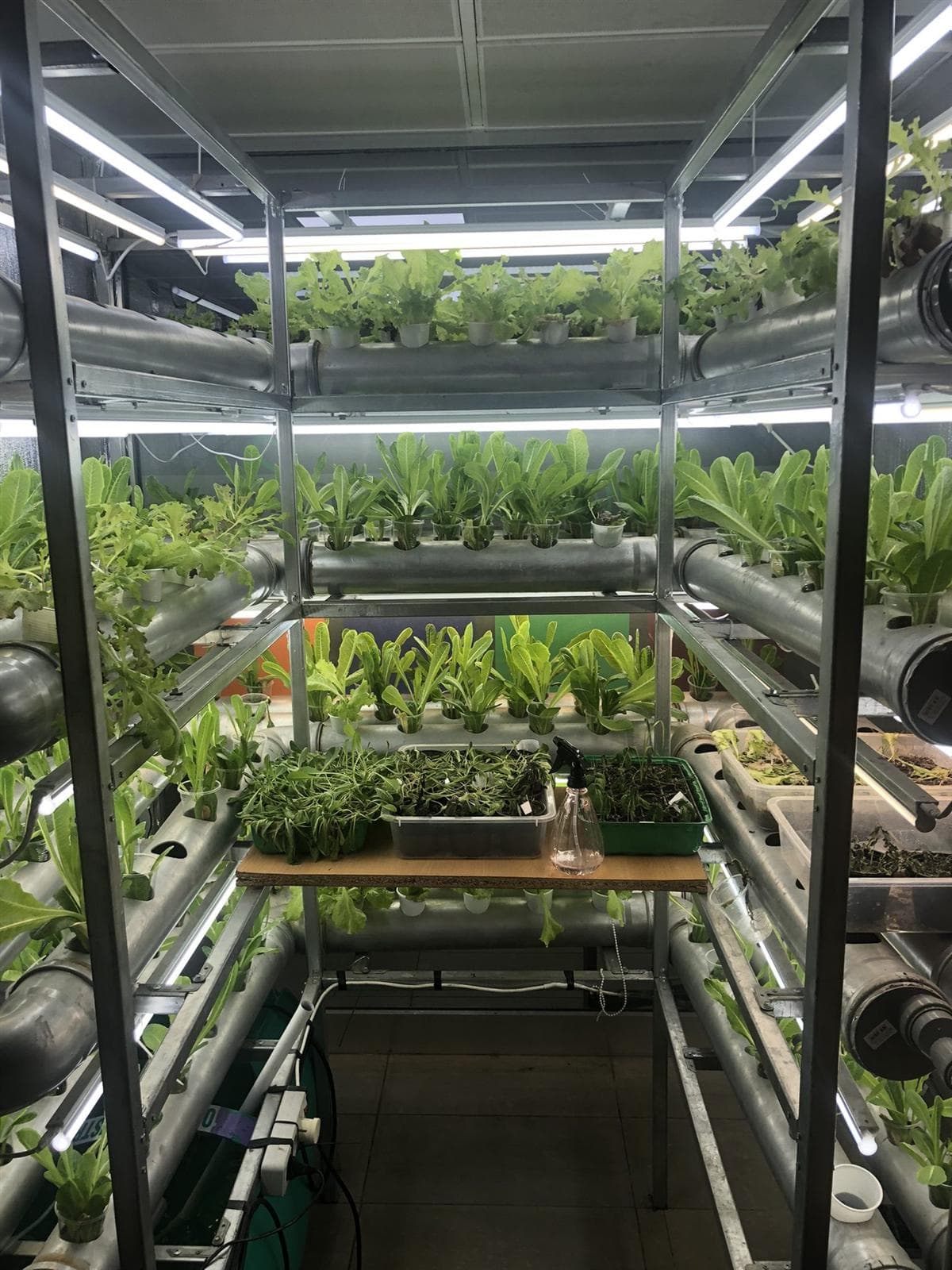
NFT racks add channel and pump cost but can stay reasonable if you source opaque gutters carefully. Plumbing mistakes are the expensive part — measure twice.
Used lights can save money; used meters are riskier unless you can calibrate and verify against known solutions.
Monthly operating costs
Electricity: a modest LED and air pump are often a few dollars a month at typical residential rates — far less than people fear compared with pod refills. Big flower-room lights change that math.
Nutrients: bulk dry salts or multi-liter bottled lines are cents to a couple dollars per reservoir change for leafy greens. Proprietary pods for continuous kitchen herbs can outrun that fast if you harvest daily.
Water is usually trivial unless you buy RO by the jug.
Replacements: air stones, net pots, and the occasional pump. Budget a small annual line item so a $15 stone does not feel like a crisis.
If you run AC or a dehumidifier for a tent, climate control can dwarf nutrient cost — be honest about that room’s bill.
Six-month story
Heavy kit users often find refill packs rival or exceed the original device cost within a few months. DIY growers pay upfront for meters and a light, then spend mostly on fertilizer and electricity.
Hybrid is rational: keep a kit for basil, run lettuce in a tote. See also our kit vs DIY cost notes for the decision rule without the spreadsheet theater.
Example sketch: $150 kit + $120 refills over six months vs $180 DIY startup + $40 nutrients/power — your numbers will differ, but the shape of the curves is the lesson.
Failed cycles from no meters erase “savings.” Count the crop you actually harvest, not the gear you own.
Where not to cheap out
pH and EC meters. Opaque reservoirs. An air pump sized for your DWC volume. Everything else is negotiable.
A $20 “no meter” grow is how you buy three more bottles of random supplements.
Safe electrical basics: GFCI where appropriate, no dangling cords in splash zones, lights hung securely. Cheap failure here costs more than a better clip.
Calibration solution is not optional fluff — a lying meter is more expensive than buffers.
Cost checklist before you buy
List crop goal (herbs vs salad volume vs fruiting). Pick system with a selector mindset. Price meters + opaque tank + aeration before upgrading lights.
Estimate refill vs bulk nutrient for six months at your real harvest rate. Add a few dollars for power.
Leave budget for one remake’s worth of nutrients and a spare air stone. Starting at $0 operating buffer guarantees a stressed first crash.
Ways costs quietly inflate
Buying a second kit instead of learning remakes on the first. Collecting additives before owning meters. Clear bins that force endless algae scrubs and lost solution.
Oversized lights on a tiny tote (power + heat + tip burn). Ignoring reservoir volume so every mix is a guess and salt waste.
Chasing fruiting crops in a system sized for basil — you will buy denser light, more nutrients, and more frustration. Match system to crop early.