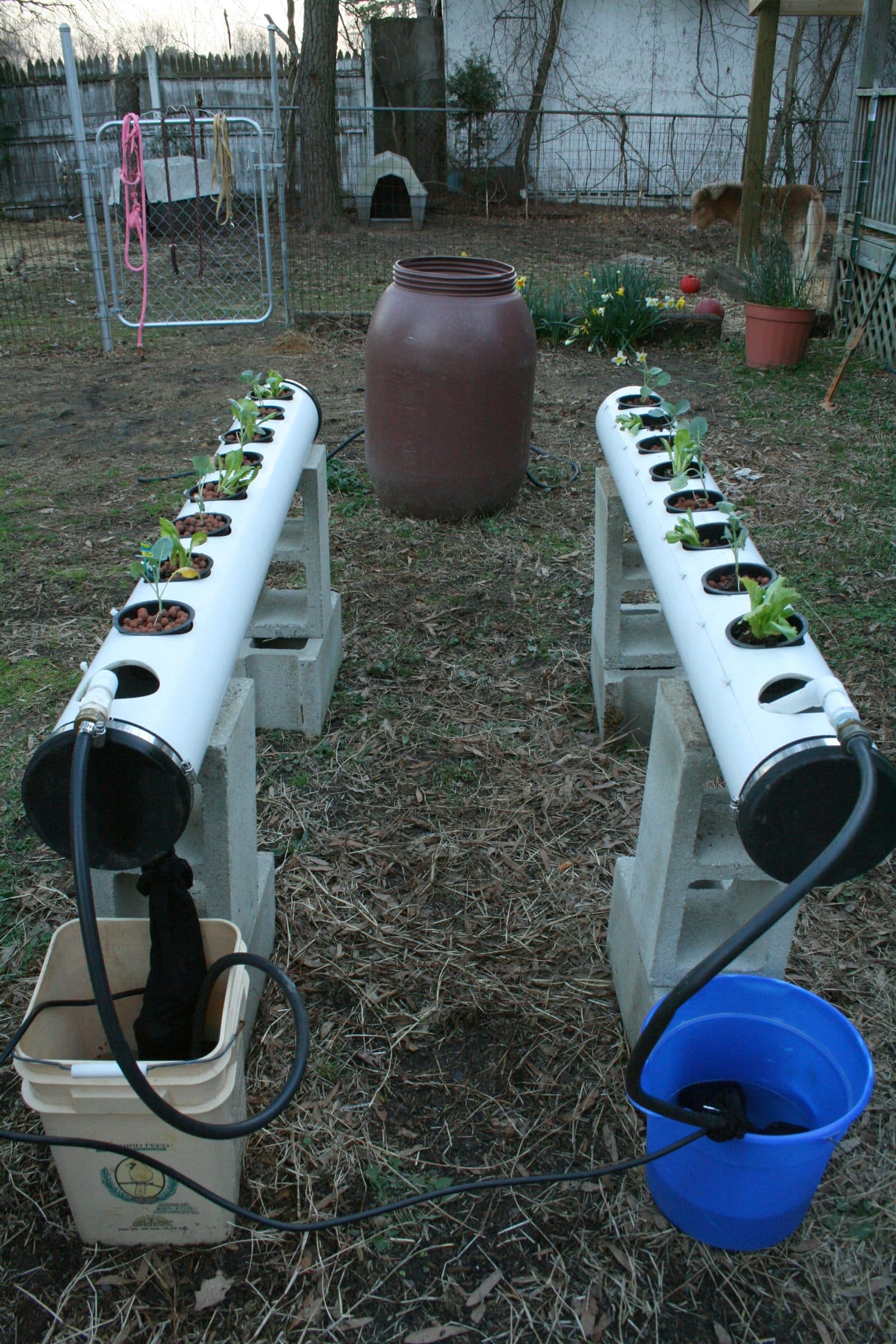
NFT in one sentence
Nutrient film technique runs a thin stream of solution down a slightly tilted channel so roots sit in a film of feed with lots of air above them. Done well, leafy greens grow fast with modest reservoir size.
Done poorly — pump stops, channels go dry, or the film is a river — plants wilt in hours. NFT rewards plumbing discipline more than DWC does.
The film should wet the root mat continuously. If root tips sit dry while the channel bottom has a puddle at one end, slope and level are wrong.
Home NFT is excellent for lettuce, basil, and spinach once flow is stable. It is a harsher teacher than a single DWC bucket when power or pumps fail.
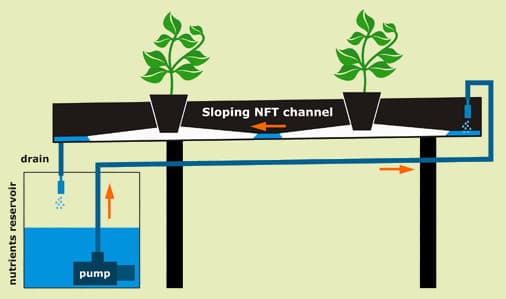
Level, slope, and flow
Channels need a gentle consistent fall (often roughly 1:30 to 1:40 as a starting mental model — verify with your kit or pipe). Low spots puddle; reverse slopes starve the end sites.
Flow should wet the root mat without flooding the whole pipe. If you hear a torrent and see standing water, turn the pump down or restrict the manifold.
Use a level during setup. “Looks fine by eye” is how end plants chronially underperform while the inlet plants thrive.
Returns must fall freely into the reservoir without sucking air in a way that empties the pump. Screen debris so root slough does not clog the inlet.
Where home NFT beats DWC
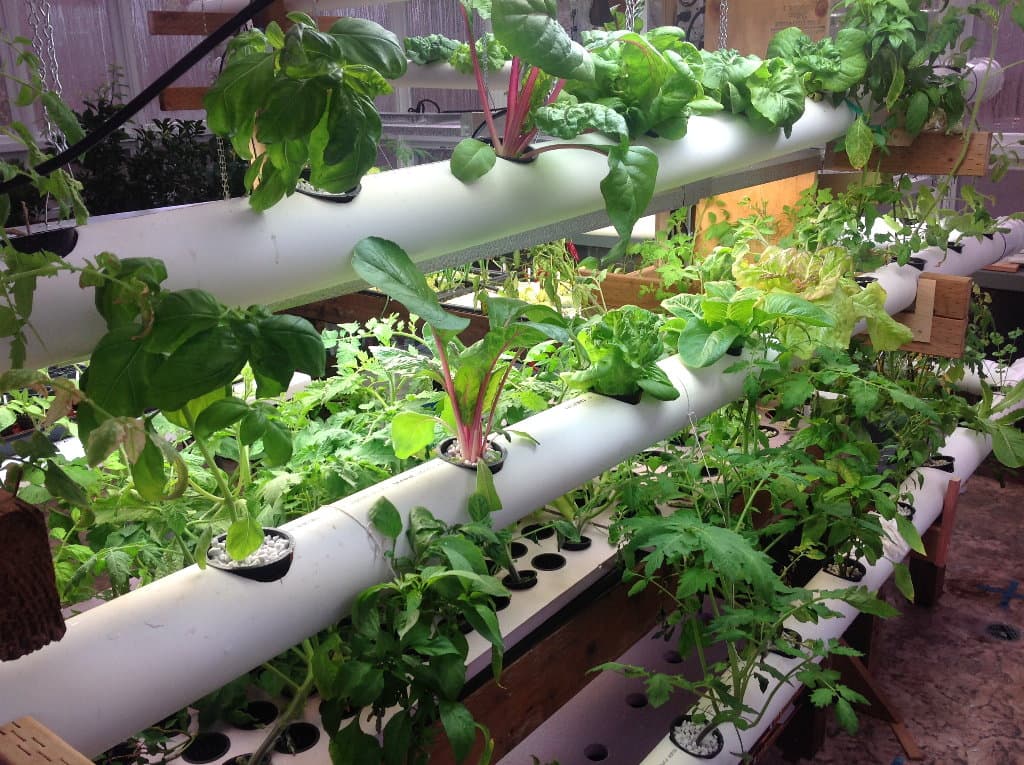
Less water volume to heat or cool. Easier to run long rows of lettuce on a rack. Roots get continuous oxygen if the film is honest.
It is also easier to expand channel count once the pump and return plumbing are solid.
Nutrient changes move less total water. A 5–10 gallon reservoir can feed a surprising number of leafy sites when channels are efficient.
Harvest ergonomics on a waist-high rack beat fishing net pots out of a deep tote for frequent salad cuts.
Where DWC is still kinder
Power blips: DWC plants sit in a buffered bucket; NFT plants can dry out. Warm rooms and fruiting crops with aggressive roots can clog narrow channels.
If you are learning meters and pH for the first time, a single DWC tote often fails more gently than a multi-channel NFT rack.
Travel and unreliable electricity argue for DWC or at least a battery backup on the NFT pump.
Large tomato roots in skinny DIY PVC are a clog waiting to happen — keep NFT for leafy and herbs until you know your plumbing.
Targets for leafy NFT
EC often in the same leafy band as DWC: roughly 0.8–1.2 mS/cm for many lettuces, adjusted to light and variety. pH roughly 5.5–6.5.
Solution temperature still matters — a tiny reservoir under LEDs can climb fast. Shade the tank and avoid clear bins.
Do not run tomato fruiting charts through a lettuce NFT. High EC plus thin film is a tip-burn machine.
A practical home checklist
Opaque channels and reservoir. Screened returns. A pump you can hear fail. Backup plan (battery or spare) if you travel. Leafy EC targets, not tomato charts.
Start with lettuce or basil. Master film and slope before you chase peppers in NFT.
Walk the channels at lights-on: every site should show moisture on roots. End-of-line dry tips mean fix slope/flow today, not next weekend.
Remake on a schedule and scrub inlets. Biofilm plus root debris is the usual slow failure mode after the first successful month.
Common NFT mistakes
Channels dead-flat or humped in the middle. Pump oversized into a flood. Clear tubing glowing under the LED creating algae that then clogs emitters.
No shutoff or bypass to service one channel. Mixing fruiting and leafy on one manifold with one EC.
Ignoring a quiet pump — silence is not “efficient,” it is often “dead.” If you cannot hear flow, verify with a quick channel check.