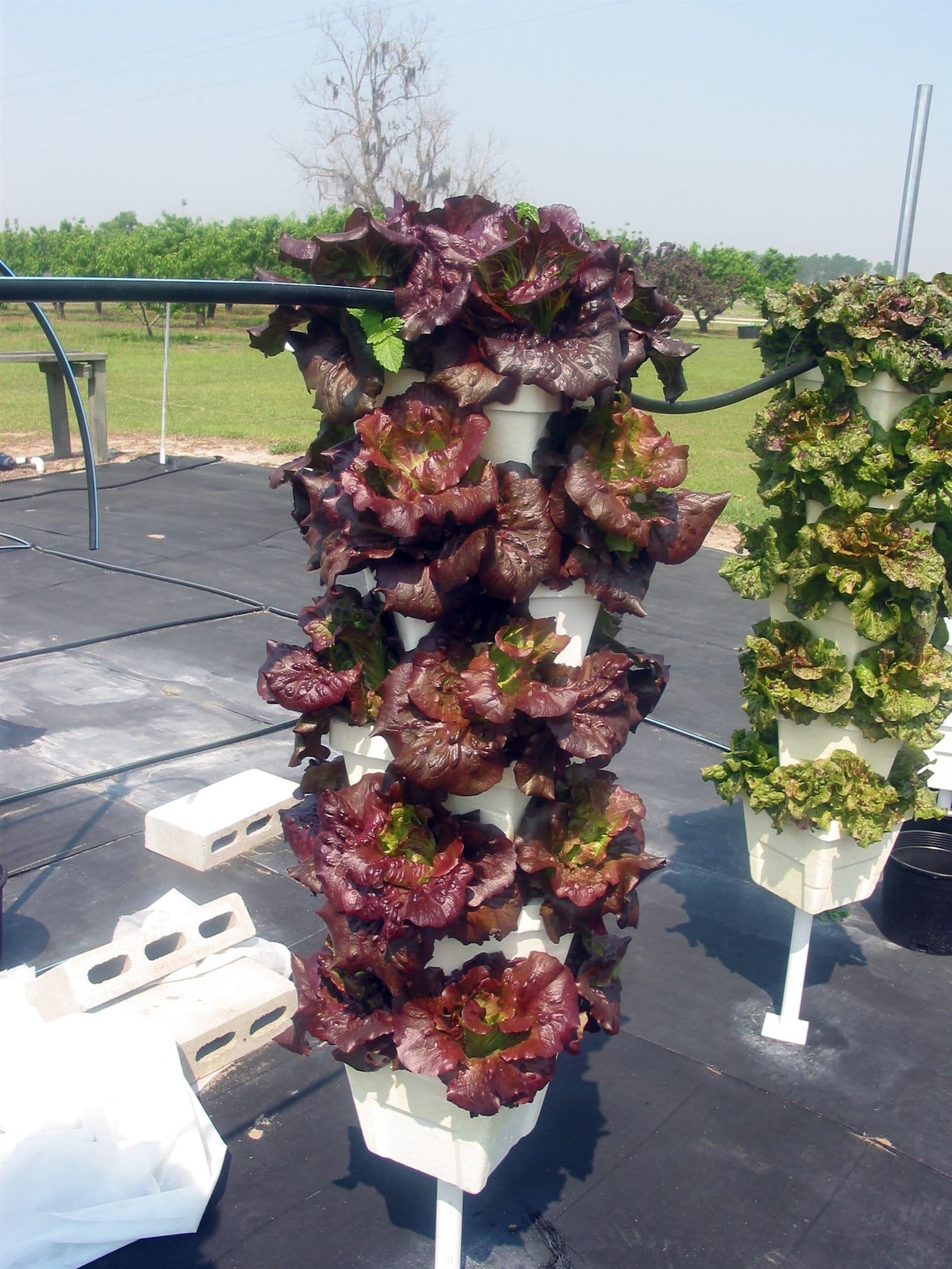
AeroGarden lettuce bitter? Start here
Countertop gardens (including AeroGarden-class kits) get the same bitterness chemistry as DWC: warm roots, high nutrient strength, late harvest, and stressful light heat. If your kitchen pods taste sharp, treat it as environment and timing — not a mysterious “kit defect.”
The fixes below apply to AeroGarden reservoirs and any hydroponic lettuce tray. Measure what you can (temperature, EC/PPM scale, harvest stage) before changing seed brands.
Write down one baseline this week: solution temp at lights-on, EC (or PPM with the scale named), days since transplant, and whether the center is stretching. That log tells you which cause to attack first.
Most bitter harvests reverse within one cycle once heat and EC are honest. Flavor compounds do not vanish overnight on a mature head — harvest earlier on the next round while you cool the system.
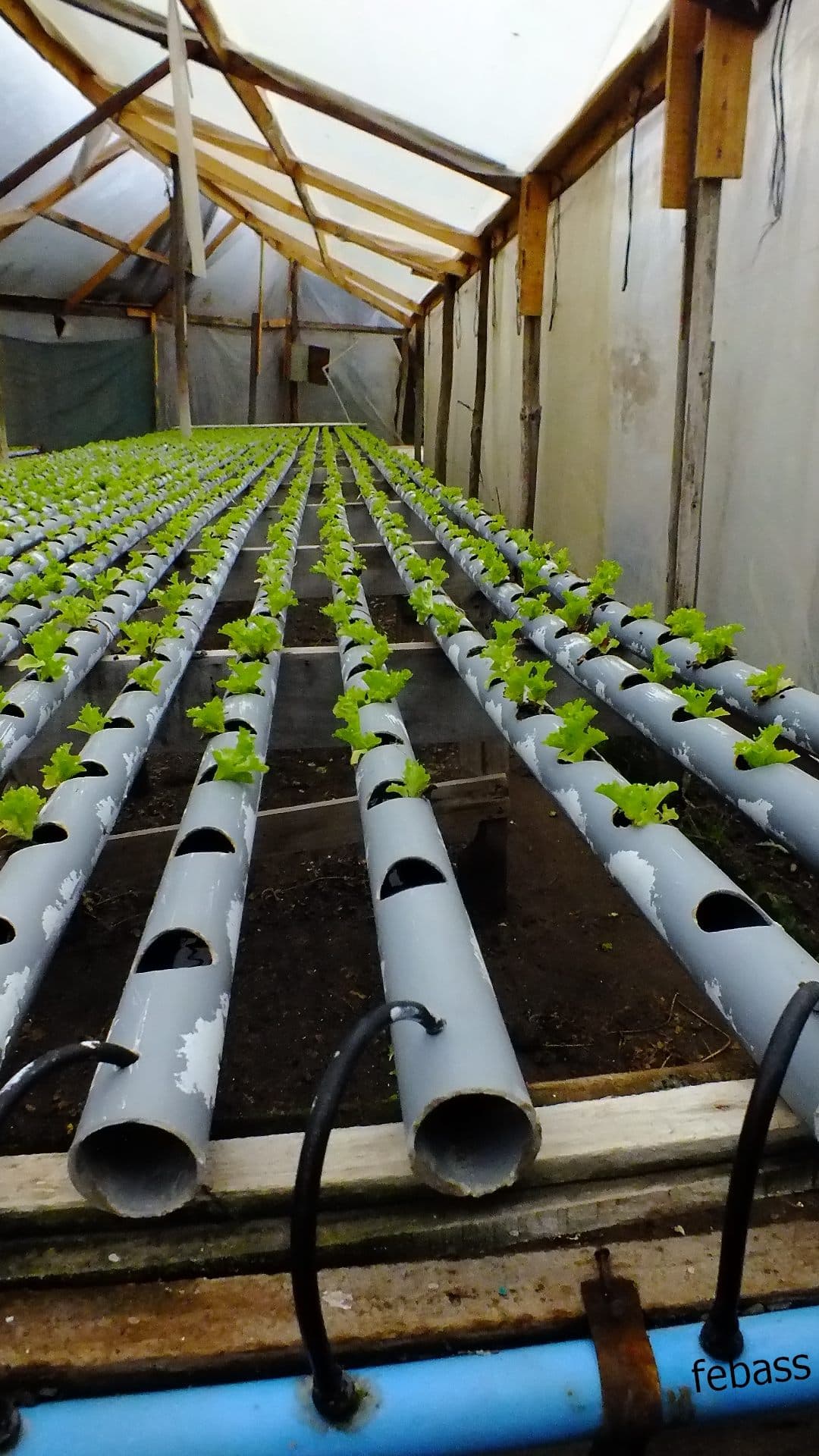
Bitterness is usually stress chemistry
Lettuce produces sesquiterpene lactones and related compounds that taste bitter when the plant is stressed or maturing toward reproductive growth. Hydroponics does not remove that biology — it can amplify it if roots run hot, EC runs hard, or harvest waits too long under intense LEDs.
If your lettuce looks marketable but tastes sharp, treat it as an environment and timing problem before reinventing the nutrient recipe.
Stress also stacks. Warm roots plus high EC plus a late harvest will taste worse than any single factor alone. Fix the cheapest lever first (harvest timing and solution temp), then dial strength.
Tip burn on leaf margins often rides with the same conditions. If edges are crispy and the middle tastes harsh, you are usually looking at calcium transport stress under heat or still air — not a separate mystery disease.
Cause 1: warm nutrient solution
Warm reservoirs hold less dissolved oxygen and push metabolic stress. Aim nearer 65°F (18°C) for many butterheads. Above the low 70s°F, quality often drops and Pythium risk rises.
Fix: move units off hot counters/windowsills, improve room cooling, or shorten light heat soak overnight. Kitchen appliances near the reservoir matter more than people expect.
Measure the solution, not the room air. A 72°F kitchen can still push a small clear reservoir into the mid-70s°F under LEDs. Stick a clean thermometer in the tank at the warmest part of the day.
If you cannot chill the room, shrink photoperiod heat load slightly, raise the light a few inches if tops are hot, and remake more often — warm stagnant solution goes sour faster than cool aerated water.
Cause 2: EC too high for the variety and light
Many leafy programs sit around 0.8–1.2 mS/cm. Under modest light, high EC makes thick, bitter, tip-burned leaves. Under strong light you still should not “feed away” bitterness — lower strength slightly in the final week and keep airflow honest.
Convert PPM charts carefully (500 vs 700). When in doubt, log EC. Kit liquid feeds can run strong if you top off with nutrient instead of water.
A practical finish: hold mid-cycle EC in your leafy band, then ease toward the low end of that band for the last 5–7 days before harvest. Plants still grow; they just stop packing salts into every leaf cell.
If your kit only gives dropper schedules, measure once after a full mix. Many “as directed” fills land above 1.4 mS/cm in a small reservoir — fine for basil, harsh for butterhead. Use a pH adjuster and EC log so the next fill is intentional.
Cause 3: late harvest and bolting
As plants elongate and approach bolting, flavor turns. Harvest butterheads and leaf types earlier than you think, especially in warm rooms. Cut-and-come-again before the center stretches.
Long stressful photoperiods plus heat accelerate the problem. Keep temperatures in the leafy band.
Watch the heart: when the center starts to cone upward or the stem thickens and lengthens, bitterness is already climbing. Cut whole heads or strip outer leaves that week — do not wait for “one more day of size.”
Indoor LEDs at 16+ hours with warm nights are a bolting accelerator for many romaines. If you need soft flavor, prefer butterhead types and keep night temps from sitting in the mid-70s°F.
Cause 4: variety and airflow
Some romaines and crisp types run more bitter under indoor LEDs than soft butterheads. If culture is dialed and flavor still fails, change cultivar.
Stagnant air also links to tip burn via impaired calcium transport. A gentle fan across the canopy often improves both edge burn and overall quality.
Aim for leaf flutter, not windburn. One small clip fan on low, oscillating or aimed past the canopy, is enough for a countertop unit. Dead air under a dense head is where margins burn first.
If you have tried heat, EC, and early harvest and flavor is still sharp, switch seed. Market “crisp” types bred for outdoor crunch often taste louder indoors than soft Bibb or butterhead lines.
A one-cycle correction plan
1) Measure solution temperature and EC. 2) Bring EC into the leafy band. 3) Cool roots. 4) Add gentle airflow. 5) Harvest earlier. 6) Only then swap varieties.
For targets and system setup, see our full hydroponic lettuce plant guide. For kit vs DIY upgrades, see our beginner hydroponic kit review.
Do not change five variables on the same day. Cool the tank and lower EC this remake; harvest on schedule; judge flavor on the next full cycle. That is how you know which lever worked.
Quick bitterness checklist
Solution under ~70°F, ideally nearer 65°F. EC roughly 0.8–1.2 mS/cm for most leafy kits (confirm your PPM scale). Gentle fan across leaves. Harvest before the heart cones.
Top off with pH’d water, not full-strength nutrient, when volume drops mid-week. Remake if the tank smells or roots slim.
If tip burn and bitterness arrive together, prioritize airflow and root temperature before buying a new calcium bottle. Calcium is often present — transport is what failed.
Common mistakes that keep lettuce bitter
Waiting for grocery-store head size under warm LEDs. Topping off with concentrate until EC climbs past 1.5 mS/cm. Parking the unit above a dishwasher or in a west window so the reservoir cooks.
Chasing flavor with random “sweetener” additives instead of measuring temperature and EC. Those bottles do not undo sesquiterpene stress chemistry.
Running the light 18–20 hours in a hot kitchen “to grow faster.” You get faster stretch toward bitterness, not sweeter leaves.