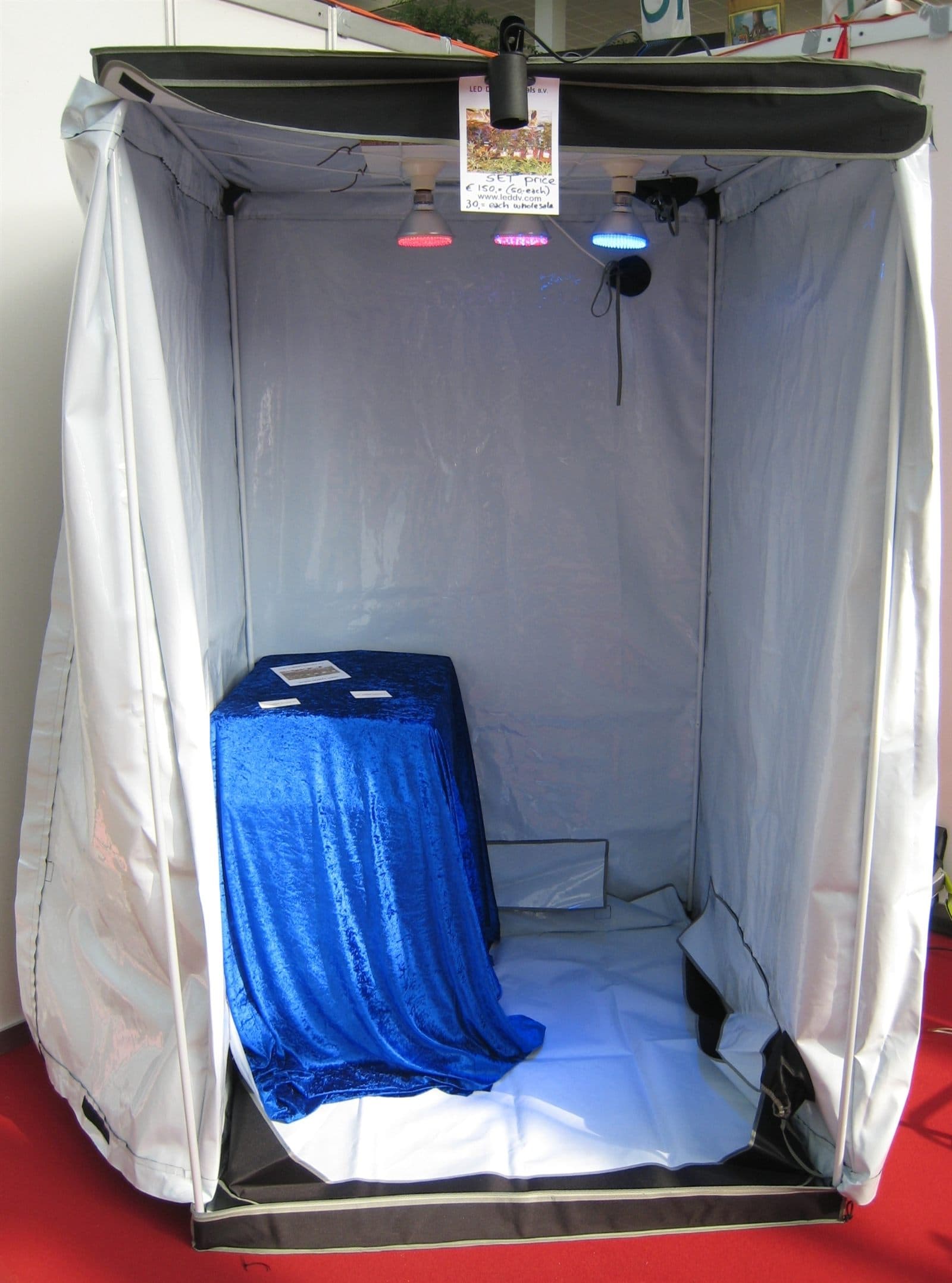
Watts on the box are not a hanging guide
Two “100W” LEDs can have very different optics and efficiency. The useful question is photosynthetic photon flux density (PPFD) at the canopy — µmol/m²/s — not the marketing watt number alone.
Leafy greens often do well in roughly the 150–300 PPFD band for many home setups, with photoperiods around 14–16 hours. Exact targets depend on variety and CO₂, but that band is a sane starting map.
Daily light integral (DLI) ties intensity and hours together. A moderate PPFD for 16 hours can outproduce a scorching PPFD for 10 hours — and taste better on lettuce.
If you cannot measure PPFD yet, use manufacturer charts plus plant feedback (bleach vs stretch), then verify with a meter when you can borrow or buy one.
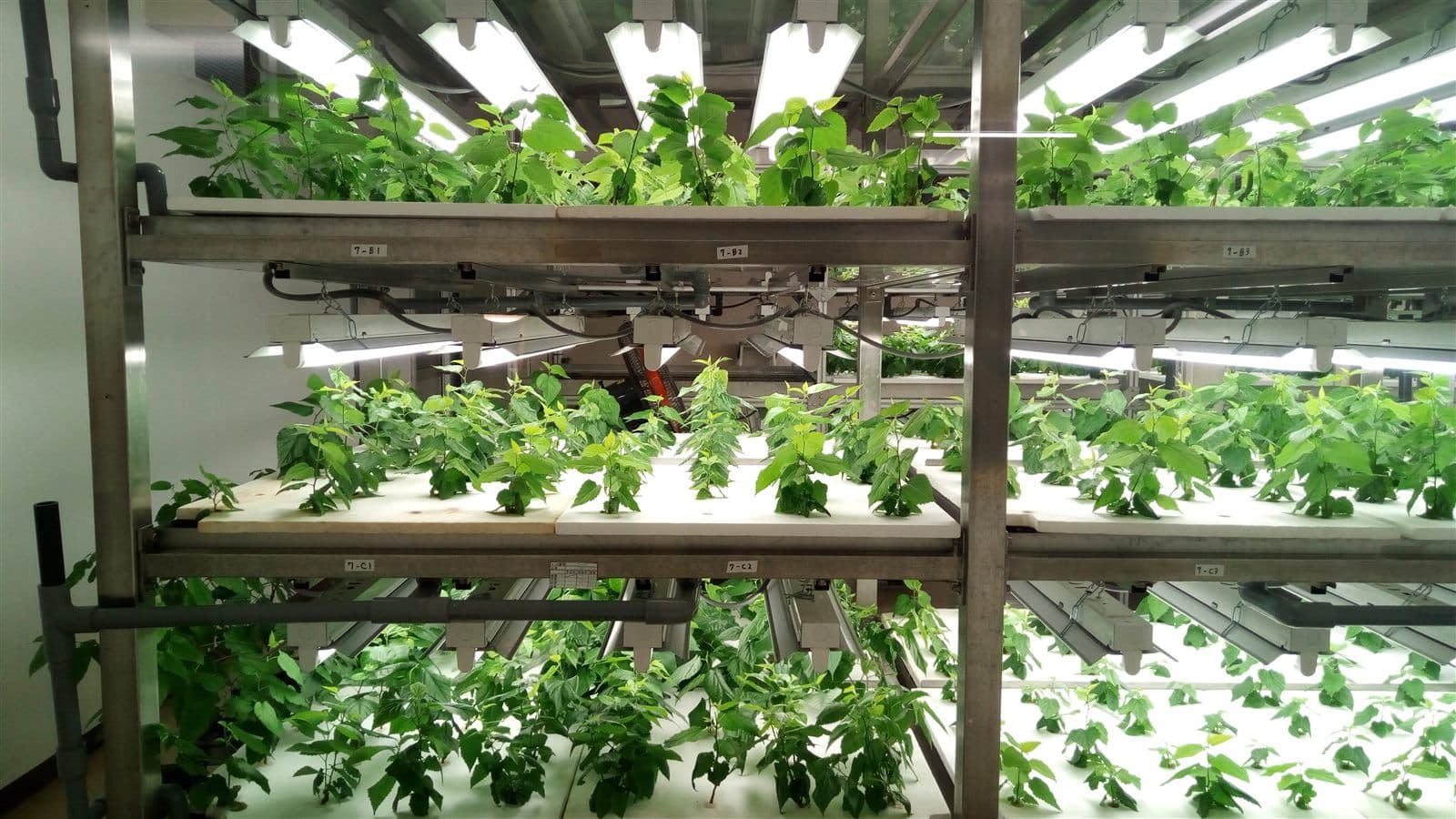
Starting distances (then verify)
Consumer bar and panel lights often start 12–24 inches above lettuce canopies. Dense COB-style fixtures may need more height. Seedlings usually want more distance than mature heads.
Treat manufacturer charts as a first guess. If tops bleach white/yellow while lower leaves stretch, you have a hotspot or the fixture is too close for that cultivar.
Raise lights for germination and early plugs, then lower gradually as plants fill in — sudden close hanging after a week of soft light shocks tissue.
Measure from the top of the canopy, not from the reservoir lid. Heads grow toward the diodes; yesterday’s safe gap becomes today’s bleach zone.
Bleach vs stretch
Bleached, crispy newest leaves under the center of the light = too intense or too close. Tall spindly plants reaching sideways = too dim or uneven coverage.
Raising the light a few inches or dimming (if the driver allows) is cheaper than rewriting the nutrient recipe.
Edge pots pale while center pots thrive usually means coverage is too narrow — move fixtures, add a second bar, or shrink the footprint of plants.
Purple stress colors on some cultivars can appear under high light and are not always a nutrient panic. Read them with EC and pH before dumping additives.
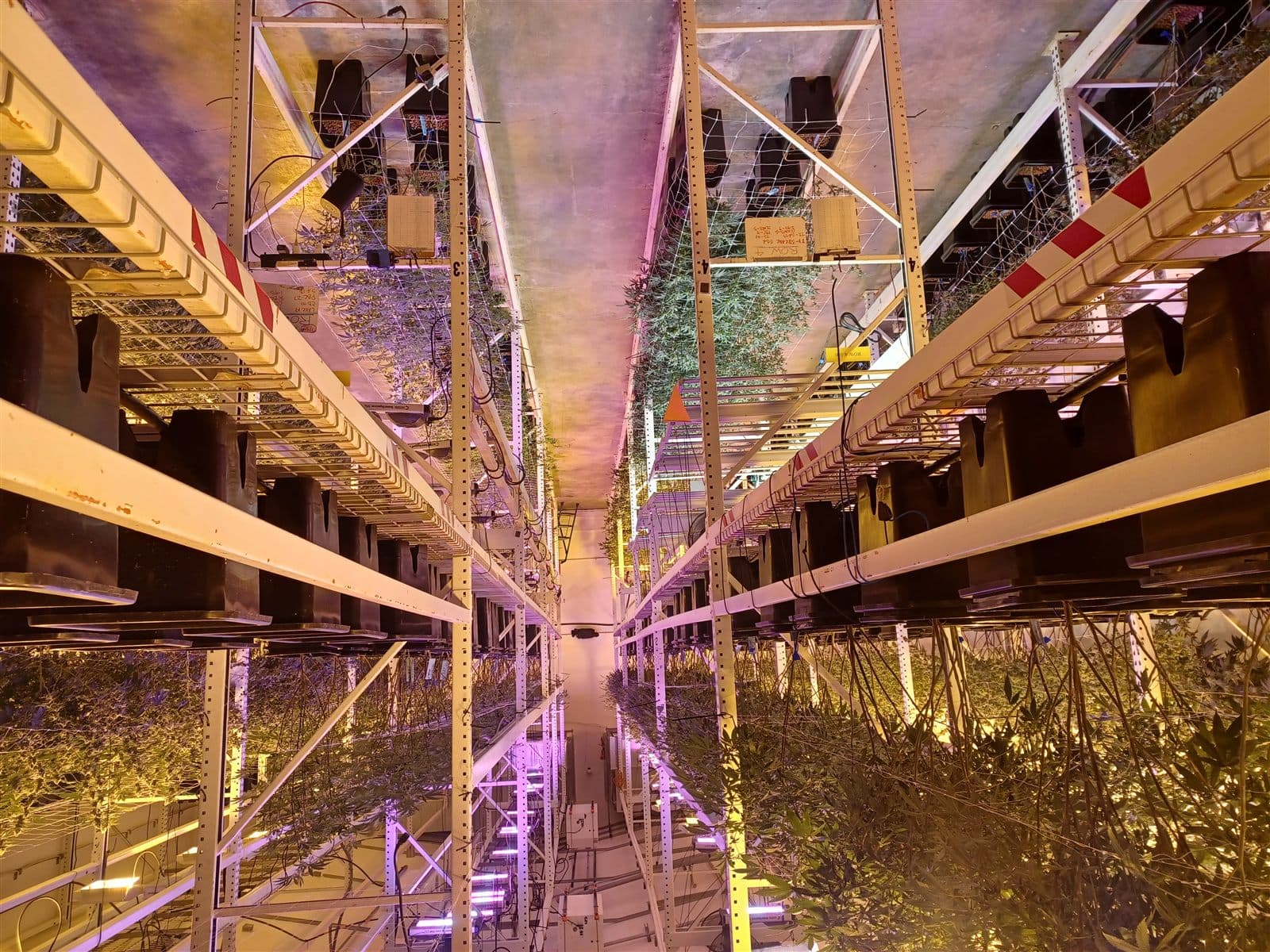
Photoperiod and heat
Many leafy home grows run about 14–16 hours on. Longer is not always better in a warm kitchen — you add heat soak and bolting pressure.
If leaf tips burn despite “correct” distance, check air movement and solution temperature. High PPFD without airflow drives tip burn even when EC is modest.
Drivers and panels radiate heat downward. A hand test at canopy height after an hour tells you whether distance must increase for thermal reasons, not just photons.
Use the calculators, then your eyes
Our grow light distance and DLI tools help you sanity-check height and daily light integral. A cheap quantum meter (or a borrowed one) beats guessing forever.
Keep airflow across the canopy. High PPFD without moving air invites tip burn on lettuce even when distance looks “correct.”
Coverage calculators matter when you add a second shelf or widen a tote — uniform µmol beats a bright stripe down the middle.
Log hanging height when something works. Next cycle you will thank past-you instead of re-learning bleach marks.
Quick distance checklist
Start from the fixture chart (often 12–24 inches for leafy under consumer LEDs). Watch new growth 3–4 days.
Bleach → raise/dim. Stretch → lower or increase intensity/hours carefully. Uneven → fix layout before maxing power.
Hold photoperiod steady while you change height so you only tune one variable. Recheck EC — light increases raise demand slightly, but do not jump from 1.0 to 1.8 mS/cm overnight.