Lift one plant every few days
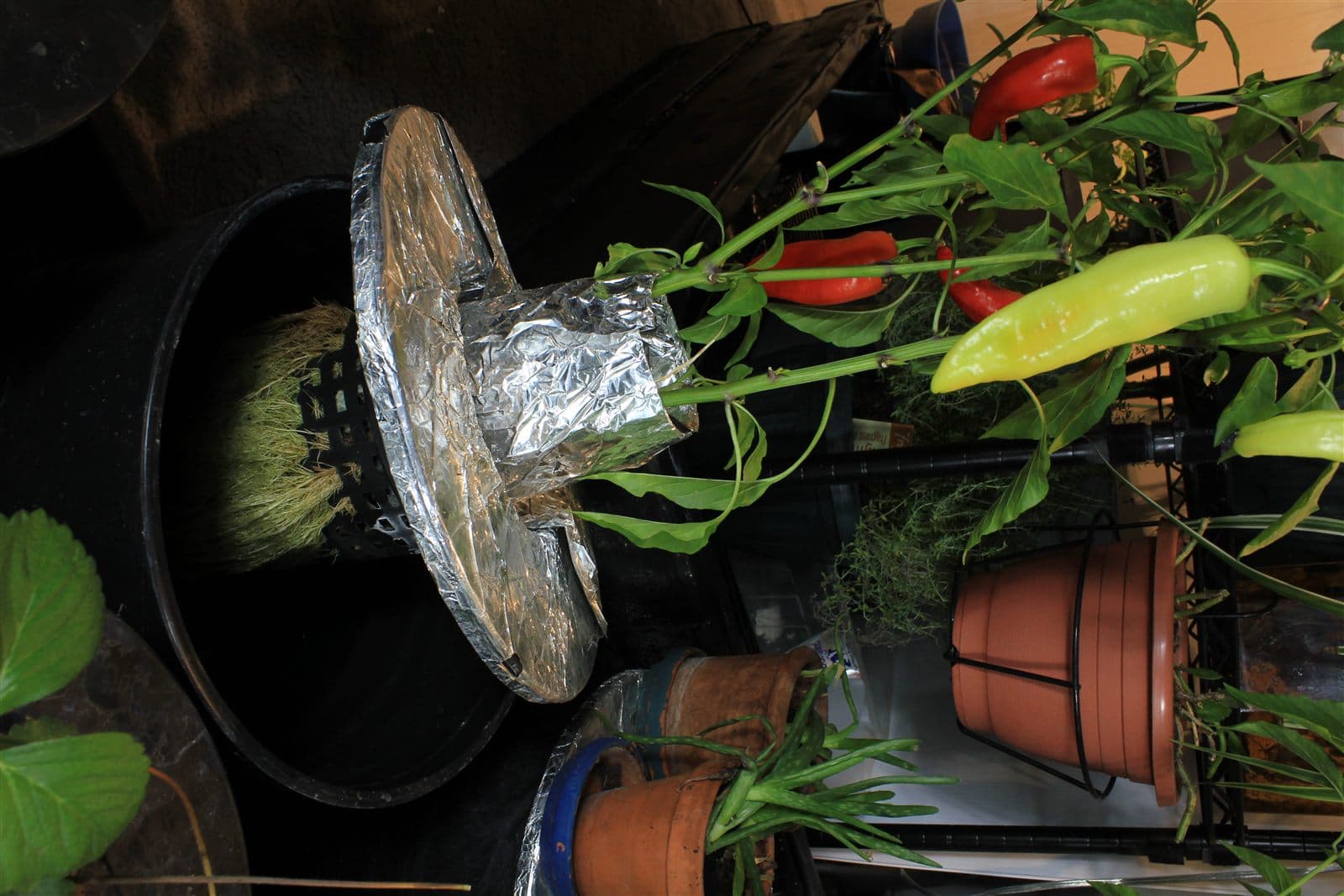
You cannot manage what you never look at. In DWC, lift a net pot. In NFT, open a channel end or inspection site. Cream to white, firm roots with a clean watery smell are the baseline for most crops.
Some plants tint slightly off-white; the red flags are mush, slime films, and foul odor — not a single beige strand.
Pick a consistent inspection day (for example every remake and once mid-cycle). Casual “whenever I remember” inspections miss the early slime stage.
Compare to a photo of healthy roots from a good week. Memory romanticizes beige sludge as “probably fine.”
The four checks
1) Color and firmness. 2) Smell (sour/rot vs clean). 3) Solution temperature (keep leafy systems nearer the mid-60s°F when you can). 4) Dissolved oxygen — air stone running, NFT film present, no stagnant dead zones.
If three of four fail, remake the reservoir the same day. Supplements do not outrun Pythium in a warm swamp.
Firm white roots in 78°F water are still on borrowed time — cool the tank even if color looks okay today.
NFT: confirm the film still wets tips at the far end. Dry tips with a wet inlet is a plumbing fail, not a nutrient brand fail.
Same-day triage
Cool the room or reservoir. Scrub the vessel. Remake with fresh solution at a modest EC. Trim only obviously dead mush if needed — do not butcher healthy tips.
Block light leaks into the tank. Green water feeds the wrong biology.
Keep the air pump on 24/7 after triage. Nighttime off timers in warm rooms are a classic relapse.
Hold pH in band after the remake (roughly 5.5–6.5). Stressed roots need availability restored, not a random EC spike “to feed harder.”
What healthy roots feel and smell like
Clean and slightly sweet or neutral — like fresh water and plant, not pond mud. Texture is springy, not slimy between fingers.
Pepper and tomato roots can be thicker and more off-white than lettuce; judge slime and smell harder than perfect chalk-white color.
A thin brown film on old root hairs with firm white new tips can be age — mush that shreds is not.
Prevention beats heroics
Stable temperatures, opaque lids, honest aeration, and regular remakes keep roots boring — which is the goal.
Pair this checklist with our root-rot guide when you need the longer pathology walkthrough.
Do not chase “sterile” with daily oxidizer dumps as a lifestyle. Mechanical cleanliness, temperature, and oxygen prevent more rot than chemistry theater.
Size the air pump to the reservoir. A aquarium stone gasping in a 20 gallon tote is not “aerated DWC.”
60-second checklist card
Lift → color/firmness OK? Smell clean? Tank nearer mid-60s°F than high 70s°F? Bubbles or film present?
Any hard no → remake, scrub, cool, opaque the tank. Soft maybes → recheck in 24–48 hours and shorten the remake interval.
Log solution temp when you inspect. Patterns across seasons teach you when to remake weekly vs every two weeks.