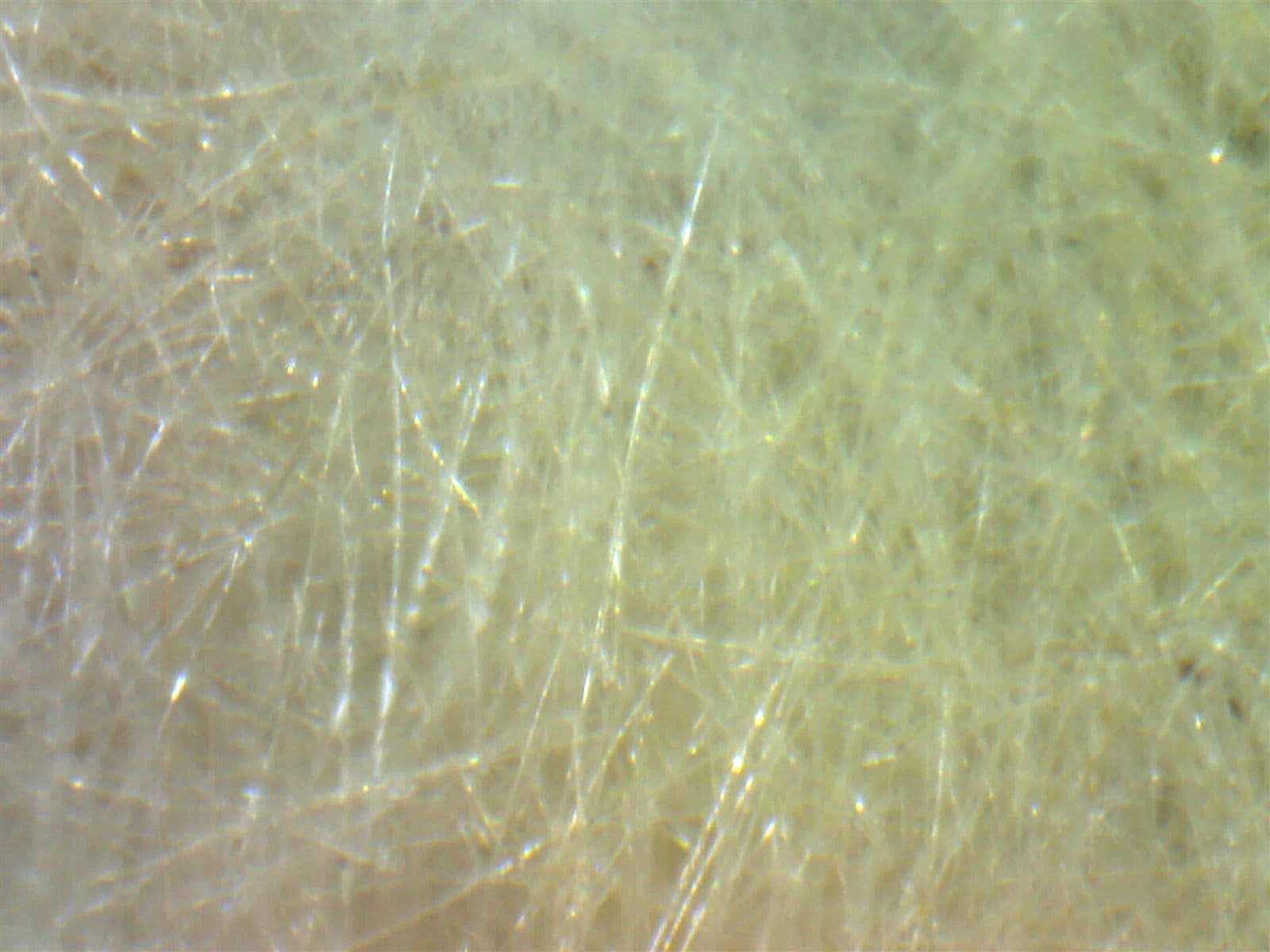
Why dry rockwool fights you
Unused stonewool/rockwool often sits at a high pH. Drop a dry cube into a system and young roots can stall while the media slowly equilibrates. A short soak in pH-adjusted water is the standard fix.
You are not “fertilizing” the cube yet — you are conditioning it so the first irrigation is in a plant-friendly band.
Dry fibers also shed dust. Dampen before cutting or tearing when the manufacturer advises it, and avoid breathing the dust.
Pre-fluffed cubes from a sealed bag still need the soak. “Pre-fluffed” is not the same as “pH conditioned.”
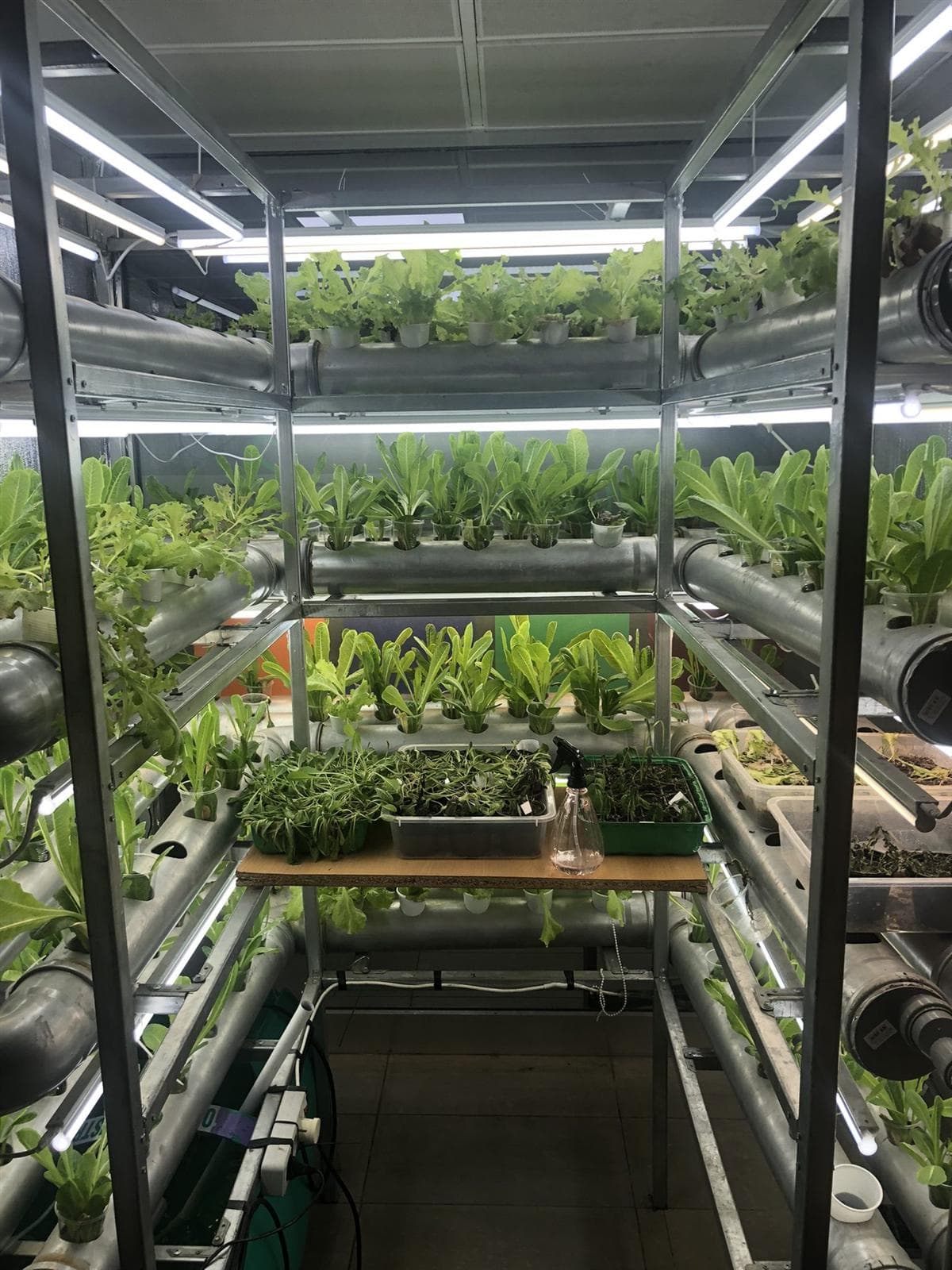
The soak most beginners need
Fill a clean tub with water adjusted to about pH 5.5 (many growers use 5.0–5.8). Submerge cubes or slabs until fully wet — often 30–60+ minutes for dense plugs; overnight is fine if you’re not in a rush.
Some growers prefer a very mild nutrient solution for the soak; plain pH’d water is enough for germination starts. Wear gloves and avoid breathing dry dust when handling new bags — dampen before cutting when the manufacturer recommends it.
Weight the cubes under if they float. Dry rockwool can bob on the surface and never wet the core.
Spot-check: squeeze a few drops from a cube onto a pH strip or meter cup after soaking. If runoff is still very high, soak longer in fresh pH’d water.
Drain, don’t wring
Lift cubes and let excess water drain. A gentle press is okay; crushing the structure ruins air pockets and creates a soggy brick. You want moist, not dripping rivers that drown the seed hole.
Sow into the pre-formed hole or a shallow dibble. Keep humidity high until sprouts show, then introduce light gradually.
Over-compacted cubes stay cold and wet — a damping-off invitation. If you crushed one, replace it rather than “hoping.”
Label varieties on the tray. Rockwool farms look identical at 6 a.m. when you are half awake.
Into DWC, NFT, or drip
When roots peek from the cube, transplant to net pots. In DWC, don’t bury the crown — the cube bottom can kiss the solution while the top stays drier. In NFT, seat so the film wets roots without flooding the stem.
Reuse only after thorough cleaning and inspection. Compacted, algae-stained, or root-bound cubes are cheaper to replace than to nurse.
Surround with clay pebbles in net pots for stability, not to pack so tight that air cannot move around the cube.
Seedling EC stays soft — often well under fruiting targets. Jumping a fresh transplant into 2.2 mS/cm tomato water stalls roots that just arrived.
Common mistakes
Skipping the pH soak. Squeezing cubes like sponges. Letting cubes dry bone-white under lights. Running full fruiting EC through seedling cubes on day one.
If seedlings stall yellow with wet cubes, check pH of the runoff/soak water and whether the cube is waterlogged from crushing.
Leaving slabs in a black tray of standing water so the bottom third is anaerobic. Drain trays; rockwool should not sit in a puddle.
Using soil potting tips (heavy feed early) on inert cubes. Rockwool does not buffer like compost.
Quick prep checklist
pH water to ~5.5. Submerge until cores are wet. Drain without crushing. Sow, humidity dome if needed, then gentle light.
Transplant when roots show. Keep crowns from drowning. Start mild EC; raise only as growth demands.
Dispose of cubes that smell sour or collapse into mud. Fresh media is cheap insurance compared with a lost week of germination.