Solanum lycopersicum
How to grow tomatoes hydroponically
High-reward fruiting crop that thrives in Dutch buckets and drip systems. Demands stronger light, higher EC, and careful calcium management.
Difficulty
Intermediate
Days to harvest
60–90 days
pH range
5.5–6.5
EC range
2.0–3.5 mS/cm (stage-dependent)
PPM range
1000–1750 PPM (500 scale)
Temperature
70–80°F day / 60–70°F night
Light hours
14–18 hours
PPFD target
400–700+ µmol/m²/s
Best systems
System choice for tomatoes
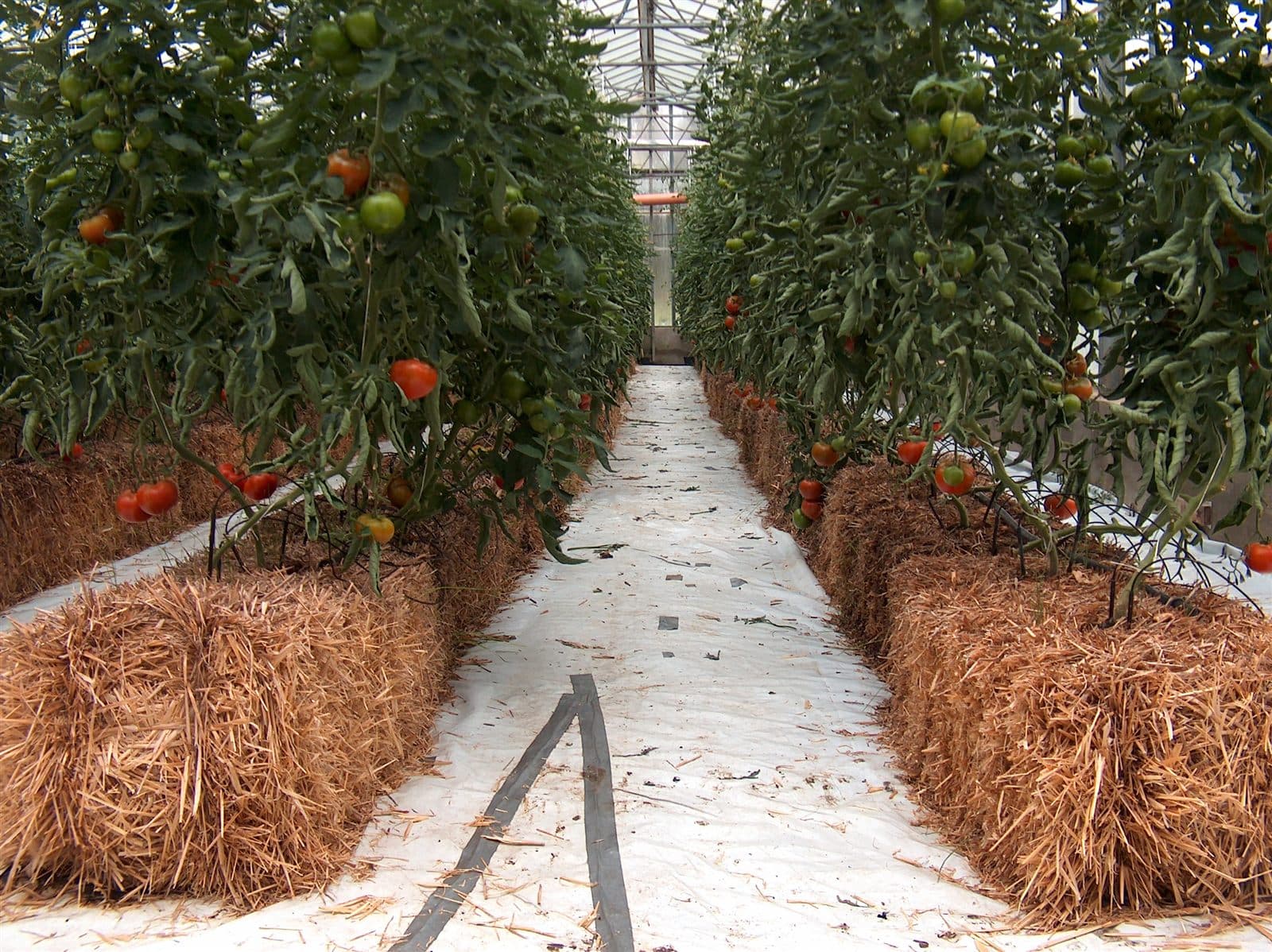
Indeterminate tomatoes need root volume, trellis support, and reliable irrigation. Dutch buckets or drip in coco/perlite/rockwool are the practical home standard. DWC can work for compact plants but becomes awkward for tall vines.
Cherry tomatoes tolerate tighter systems better than large beefsteaks. Match cultivar to your ceiling height and light footprint.
Stage-based nutrition
Vegetative growth often runs lower EC than full fruiting. Many programs climb from roughly ~2.0 mS/cm toward the mid-2s or higher as fruit load increases — cultivar and climate dependent. Raise gradually after plants establish.
pH 5.5–6.5 with consistent monitoring. Calcium and potassium demand rises with fruiting; poor mix order (precipitating Ca) or wild pH swings show up as blossom-end rot and soft fruit quality issues.
Use a tomato/fruiting hydroponic formula or adjust A/B/C ratios per manufacturer fruiting charts. Verify with EC after every reservoir change.
Light and climate
Tomatoes want substantially more light than lettuce. PPFD often 400–700+ µmol/m²/s with long photoperiods (14–18 h common indoors). Insufficient light yields spindly plants and poor fruit set.
Day temperatures around 70–80°F with cooler nights support quality. Manage VPD so plants transpire steadily — very high humidity with low airflow impairs calcium movement to distal fruit tissue.
Pruning, support, and pollination
Train indeterminates to 1–2 leaders. Remove suckers early. Support with twine or clips before fruit weight bends stems.
Indoor flowers need pollination help: gentle vibration, a soft brush, or airflow that moves flowers. Poor set is often environment or lack of pollination, not only nutrients.
Blossom-end rot and other disorders
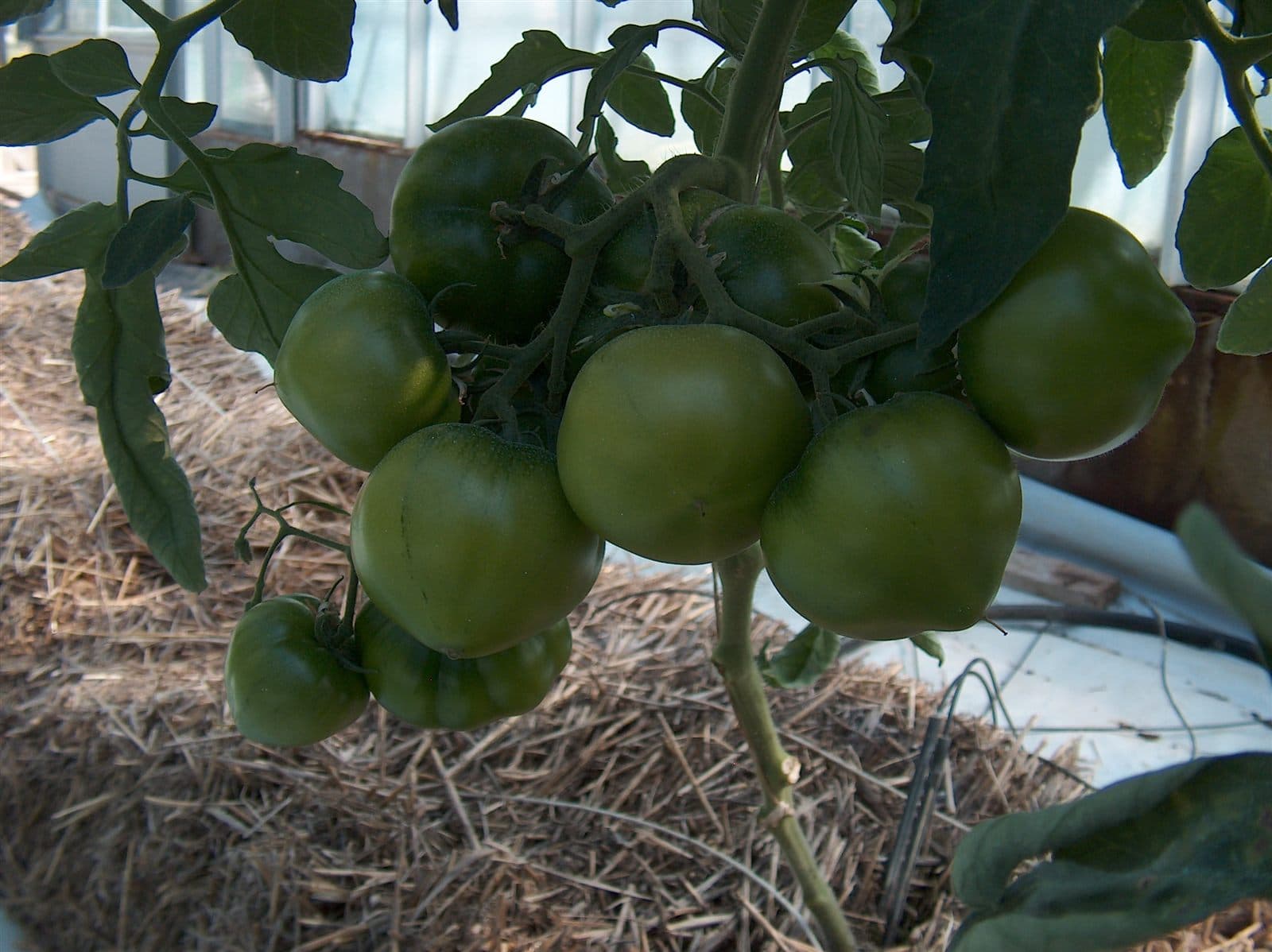
Blossom-end rot is a calcium transport disorder influenced by uneven watering/irrigation pulses, high EC, root damage, and humidity extremes — not simply “no calcium bottled.” Keep irrigation consistent in drip systems, pH stable, and EC from spiking.
Watch for potassium-related fruit quality issues under heavy load and for iron chlorosis if pH drifts high.
Quick lab tips
• Raise EC gradually from vegetative to fruiting stages.
• Maintain consistent calcium and steady transpiration to limit blossom-end rot.
• Prune suckers on indeterminate varieties for airflow and fruit size.
Frequently asked questions
What EC for hydroponic tomatoes?
Often starts near ~2.0 mS/cm and rises into the mid-2s or higher in fruiting, depending on cultivar and light. Change stage gradually.
Can I grow tomatoes in DWC?
Possible for smaller plants, but Dutch buckets/drip with media are easier for large indeterminates.
How do I stop blossom-end rot?
Stabilize irrigation and EC, keep pH in range, ensure calcium is in the formula and not precipitated, and maintain steady transpiration with sensible VPD/airflow.